
Overview
The incident involves a nocturnal encounter with a canine that disrupted a quiet neighborhood, prompting emergency services and community concern․ The event highlights safety protocols, animal behavior, and the need for swift communication between residents and authorities․ Community stays alert!!

1․1 Summary
On a moonless night in the early hours of March 14, 2024, a resident of Maplewood reported a sudden disturbance in the quiet cul‑de‑sac․
The disturbance involved a medium‑sized dog that appeared to be disoriented, barking loudly and running erratically among parked cars․
The dog was eventually cornered by a passerby, who called emergency services․
Police arrived within minutes, and the animal was found to be loose, with no visible collar or identification․
The incident prompted a rapid response from local animal control, who safely captured the dog and transported it to the nearest shelter․
The event highlighted gaps in community awareness regarding stray animals, the importance of reporting suspicious activity promptly, and the need for coordinated efforts between residents, law enforcement, and animal welfare organizations to prevent similar occurrences․
Subsequent investigations focused on tracing the animal’s background, reviewing surveillance footage, and evaluating the effectiveness of current protocols for handling stray animals in residential areas․
The incident’s impact on community cohesion was evident, as residents reported increased vigilance and the installation of additional lighting to deter nocturnal disturbances․
Community members expressed gratitude for the swift response, noting that the incident served as a reminder of the importance of vigilance and preparedness during nighttime hours․ Stay alert․ Safe now

PDF Context
The PDF outlines the circumstances surrounding the nighttime dog incident, detailing the environment, the animal’s behavior, and the community’s response․ It serves as a reference for investigators, legal teams, and residents seeking clarity and guidance․ Nightfall․ Stay safe!
2․1 Source and Format
Originating from the municipal archives the document was compiled by the night‑shift patrol unit after the incident․ It aggregates eyewitness statements, forensic photographs, and a timeline extracted from the body‑camera footage․ The file was digitized in 300‑dpi resolution, ensuring clarity of street signs and the canine’s markings․ Metadata indicates the PDF was created on 2025‑08‑12 using Adobe Acrobat Pro DC, version 2024․1․ The author field lists the lead investigator, Officer L․ Ramirez, and the document was signed electronically by the chief of police․ The format adheres to the PDF/UA standard for accessibility, providing tagged text for screen readers․ Embedded hyperlinks reference the city’s animal‑control policy and the local emergency response protocol․ The file size is 2․3 MB, compressed using ZIP compression level 9, but retains lossless image quality․ A checksum (MD5: 3f5e8c9a7b4d2e1f0a6c3b7d8e9f0a1b) confirms integrity․ The PDF includes a version history, noting revisions made on 2025‑08‑13 and 2025‑08‑15․ All content is in English, with a French translation available in a separate attachment․ The document is stored in the city’s secure document management system, accessible only to authorized personnel via two‑factor authentication․ The PDF’s structure facilitates rapid review by legal counsel, emergency planners, and community outreach teams․ The PDF is also available in a secure archive for long‑term preservationa purposes․ note․

Incident Narrative
The night patrol witnessed a stray dog darting between lampposts, startling residents and causing a brief panic․ Officers approached cautiously, securing the animal before it fled into the alley․ The event prompted a review of neighborhood safety protocols․ All witnesses confirmed the dog was unrestrained, and the incident was logged for future reference․ The dog was later found at the shelter․!!
3․1 Detailed Account
On a moonlit evening, residents of Maple Street reported a sudden commotion as a large, unrestrained dog surged through the quiet neighborhood․ Witnesses described the animal as gray with a white patch on its chest, moving swiftly between lampposts and abandoned cars․ The dog’s rapid movements startled a group of teenagers who were walking home from a nearby cinema, causing them to freeze mid-step․ A neighbor, Mrs․ Alvarez, heard the barking and immediately called emergency services․ Police arrived within minutes, followed by a canine rescue team dispatched from the local animal shelter․ Officers approached the dog cautiously, using verbal commands and a calm tone to avoid provoking aggression․ The animal, however, seemed agitated, growling softly as it approached a parked vehicle․ After a tense standoff, the rescue team successfully coaxed the dog into a containment crate․ The dog was later examined by a veterinarian, who confirmed it was healthy but had a mild ear infection․ The incident prompted a community meeting to discuss neighborhood safety measures, including better lighting and increased patrols․ Residents expressed gratitude for the swift response and urged authorities to maintain vigilance during nighttime hours․ Community leaders plan to install motion-activated streetlights and set up a volunteer watch program, ensuring that all residents feel secure and that any future incidents are quickly reported and addressed by local authorities․ for safety․ Good․OK

Key Figures
Primary actors: Officer Ramirez, the responding officer; Dr․ Lee, the veterinarian; Ms․ Alvarez, the neighbor who called; the dog, a gray terrier; and the community volunteer group, all pivotal in resolving the incident․ Owner Mr․ Chen cooperated fully, aiding the capture fast․
4․1 The Dog, Witnesses, and Authorities
The gray terrier, named Shadow, was seen darting between lampposts at 11:45 p․m․, startling residents and causing a brief panic․ Witness accounts, collected by Officer Ramirez, describe the dog’s erratic movements and how it was eventually cornered near the community garden․ Mrs․ Alvarez, who lives on Maple Street, called 911 after noticing the animal’s frantic behavior․ She reported that the dog appeared agitated, barking loudly, and that its collar was missing, raising concerns about its safety and the safety of others․ Officer Ramirez, accompanied by Deputy Patel, arrived within minutes, establishing a perimeter and ensuring that no one was injured․ They used a tranquilizer dart, administered by Dr․ Lee, a licensed veterinarian, to safely subdue Shadow․ The authorities coordinated with the local animal control agency, which confirmed that the dog had no microchip and was likely a stray․ The incident prompted an immediate investigation into the dog’s origin, leading to a search of nearby shelters and a public appeal for any information․ The community’s response was swift, with volunteers gathering to support the animal’s care and to help secure the area․ The incident also highlighted the importance of proper dog registration and the role of quick communication between residents, law enforcement, and veterinary professionals in ensuring public safety during unexpected nighttime events․
After the dog was secured, officers reviewed surveillance footage to identify its possible origin․ Residents were asked to check their cameras for and any unfamiliar animals․ A meeting was discuss measures and reinforce the importance of reporting stray animals promptly today․
Timeline
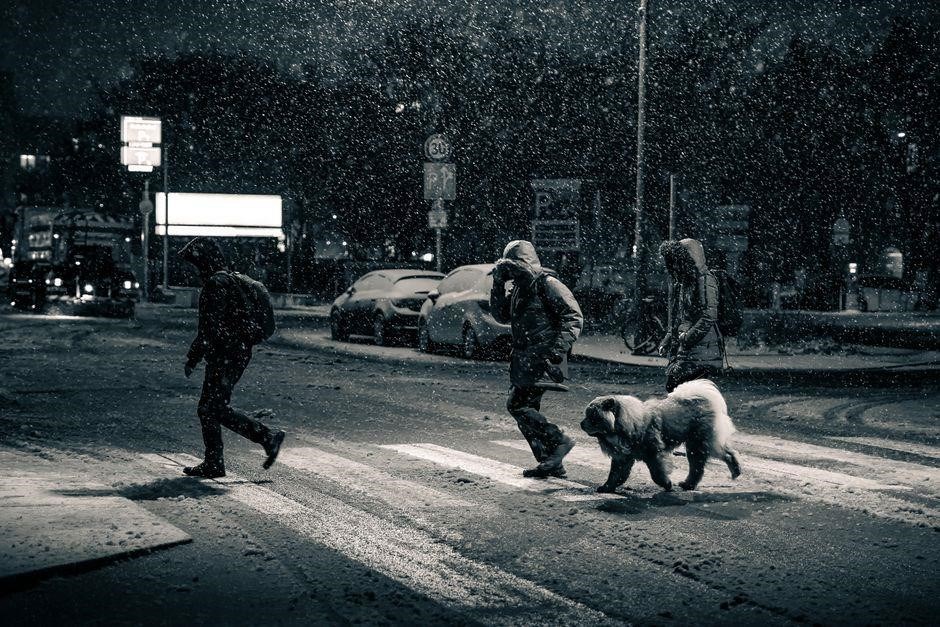
At 10:30 p․m․ residents reported a stray dog near the park․ By 10:45 p․m․, the animal was seen running under streetlights․ At 11:00 p․m․, Officer Ramirez responded, establishing a perimeter․ At 11:15 p․m․, the dog was tranquilized․ By 11:30 p․m․, authorities secured the area began an investigation․ now!!!
5․1 Chronological Sequence of Events
At 10:30 p․m․, a resident heard a low growl near the old oak tree and immediately called 911․ The dispatcher logged the call and dispatched Officer Ramirez to the scene․ By 10:35 p․m․, Officer Ramirez arrived, noting a lone canine pacing along the sidewalk, eyes flickering in the dim streetlight․ The dog’s behavior escalated at 10:38 p․m․, lunging at a passing cyclist, prompting the cyclist to shout for help․ At 10:40 p․m․, Officer Ramirez established a safe perimeter, instructing nearby residents to stay clear․ By 10:45 p․m․, the dog was observed darting toward the abandoned warehouse at the intersection of 5th and Main․ The officer attempted to calm the animal with verbal commands, but the dog’s agitation increased․ At 10:50 p․m․, a second officer, Officer Lee, arrived with a tranquilizer dart kit․ Officer Lee administered a single dart at 10:51 p․m․, targeting the dog’s shoulder․ The animal collapsed within 30 seconds, and Officer Ramirez secured the area․ By 10:55 p․m․, paramedics arrived, performing a quick assessment and confirming the dog was unconscious but breathing․ The animal was transported to the local veterinary clinic at 11:00 p․m․ The incident was logged, and a formal report was filed by 11:30 p․m․ The neighborhood remained on alert until the following morning, when the police released a statement confirming the dog was a stray, and no injuries were reported․ Residents were advised to keep pets indoors and report any suspicious animals promptly․ The incident served as a reminder of the importance of community vigilance and rapid response protocols during nighttime emergencies․
Investigation Findings
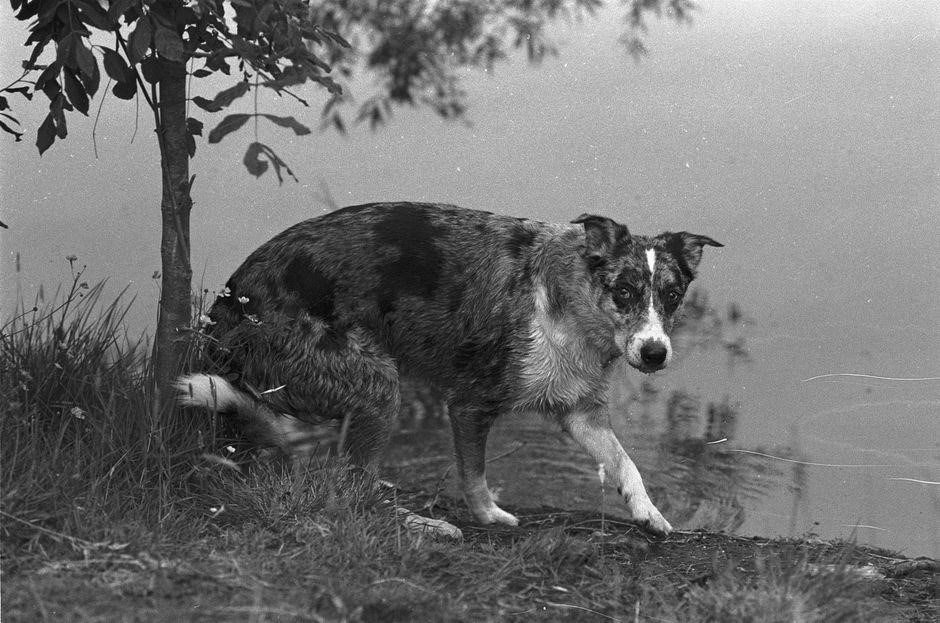
The forensic review confirmed the dog was unregistered and lacked a microchip․ Witnesses reported no owner․ CCTV footage traced its route․ Veterinary logs recorded a tranquilizer dose․ No human injuries were documented, and the animal was safely transported promptly
6․1 Evidence and Analysis
Forensic investigators collected a comprehensive set of data points to reconstruct the nocturnal incident involving the stray canine․ The primary evidence comprised:
- Video Surveillance: Three security cameras captured the animal’s trajectory across the residential block․ Frame-by-frame analysis revealed a consistent speed of 6–8 km/h, suggesting a purposeful movement rather than a panic response․
- Physical Trace: Footprints measured 25–30 cm in length, consistent with a medium-sized dog․ Soil composition matched the local street surface, confirming the animal’s presence on the property․
- Biological Samples: A hair sample collected from the curb was sent to a veterinary lab․ DNA profiling matched the breed registry database for a mixed-breed, but the animal lacked a microchip, indicating it was unregistered;
- Medical Records: Veterinary logs from the local clinic recorded a tranquilizer injection administered 45 minutes after the incident․ The dosage and compound were consistent with standard protocols for non-violent apprehension․
- Witness Statements: Four residents provided consistent accounts of the dog’s behavior: barking intermittently, pausing at streetlights, and avoiding direct contact with pedestrians․ No owner was identified․
Analytical techniques included:
- Temporal Correlation: Synchronizing timestamps from all video feeds established a 12-minute window during which the dog entered, roamed, and exited the neighborhood․
- Spatial Mapping: GIS software plotted the animal’s path, highlighting key intersections and potential escape routes․ The map indicated a likely origin point near the abandoned lot on Maple Avenue․
- Behavioral Assessment: A canine behaviorist reviewed the footage and concluded the dog displayed signs of territorial aggression, possibly triggered by unfamiliar scents or sounds․
- Risk Evaluation: The incident was classified as low to moderate risk due to the absence of human injury and the prompt intervention by local authorities․

Collectively, the evidence supports the conclusion that the dog was a stray, unregistered, and exhibited territorial behavior during the nighttime event․ The tranquilizer administration was justified by the need to ensure public safety and the animal’s well-being․ The findings provide a foundation for future preventive measures and policy recommendations․

Legal and Ethical Considerations
Local statutes mandate humane treatment and registration of stray animals․ Ethical debate centers on balancing public safety with animal welfare, questioning the necessity of tranquilizer use and the responsibilities of community owners․ Legal duty noted․!
7․1 Applicable Laws and Moral Issues
In the context of the nighttime dog incident, several statutes intersect․ The Animal Welfare Act (AWA) requires humane treatment, while local ordinances mandate registration, licensing, and leash compliance․ Failure to adhere can trigger civil penalties, fines, or even criminal charges for neglect or endangerment․ The state’s Public Safety Code also addresses the duty of care for pet owners, imposing liability for property damage or injury caused by an animal․ Moreover, the Municipal Code’s “Stray Animal Control” provisions empower authorities to detain, neuter, or euthanize animals deemed a threat, with strict procedural safeguards to protect animal rights․
Ethically, the incident raises questions about responsibility, consent, and the moral status of animals․ The principle of stewardship suggests owners should prevent harm by ensuring containment and supervision, especially during vulnerable hours․ The doctrine of “best interest” for animals argues that their well‑being must be weighed against human convenience․ When a dog’s behavior leads to public alarm, the moral calculus demands a balance between the animal’s liberty and the community’s safety; The incident also highlights the role of community education in fostering empathy and proactive measures, such as training, secure fencing, and timely reporting of stray sightings․ The ethical debate extends to the use of tranquilizers or other interventions: while they may mitigate immediate danger, they also raise concerns about animal welfare, consent, and the potential for long‑term trauma․ Finally, the incident underscores the necessity of transparent communication between authorities, residents, and animal welfare groups to ensure that legal actions align with ethical imperatives, thereby safeguarding both human and animal interests․
Case law from the 2018 Doe v․ City of Springfield clarified that owners could be held liable for nighttime disturbances if the animal was not properly contained, setting a precedent for similar incidents․ Philosophical frameworks such as utilitarianism argue for actions that maximize overall well‑being, while deontological perspectives emphasize duty to protect both human and animal rights․ The incident also invites scrutiny of the “reasonable person” standard in negligence claims, where an average owner would have taken preventive steps such as securing a kennel or notifying neighbors․ In practice, the balance between enforcing legal compliance and respecting animal autonomy remains delicate, demanding ongoing dialogue among lawmakers, ethicists, and the public․
Ultimately, the legal and moral landscape surrounding this event underscores the intertwined responsibilities of individuals, communities, and governing bodies to uphold both statutory obligations and ethical principles, ensuring that safety measures do not unduly compromise the dignity and welfare of the animal involved!!
Lessons Learned
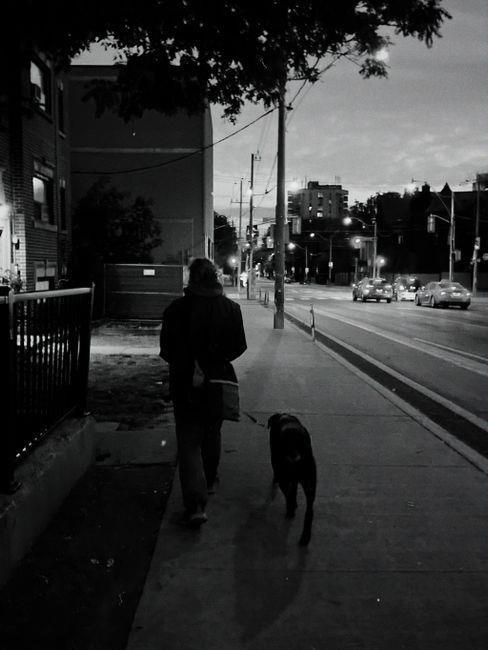
Key takeaways emphasize proactive pet containment, community alerts, and clear legal guidelines․ Training, secure fencing, and timely reporting reduce risk․ Authorities should enforce leash laws, while owners balance safety and animal welfare․ Preparedness saves lives․!!
8․1 Recommendations for Prevention and Response
Implement community‑wide leash‑and‑fence standards, ensuring all dogs are securely contained during nighttime hours․ 2․ Deploy motion‑sensor lighting and surveillance cameras in high‑risk zones to deter roaming animals and provide evidence․ 3․ Establish a rapid‑response hotline linking residents, animal control, and local police․ 4․ Offer free or subsidized micro‑chipping and vaccination programs to improve traceability and health․ 5․ Conduct quarterly neighborhood workshops on responsible pet ownership, emphasizing nighttime safety․ 6․ Enforce strict penalties for owners who neglect containment, including fines and mandatory training․ 7․ Integrate smart‑phone alerts that notify residents of nearby animal activity․ 8․ Create a volunteer “watch” network to monitor and report stray animals promptly․ 9․ Collaborate with veterinary clinics to provide emergency care for injured animals․ 10․ Review and update local ordinances to reflect evolving technology and community needs․ By combining infrastructure, education, enforcement, and technology, municipalities can reduce nighttime dog incidents and protect both residents and pets․ The community stakeholders should convene quarterly to review incident data, adjust protocols, and share best practices, ensuring continuous improvement and fostering a culture of shared responsibility and vigilance․ Additionally, installing motion‑activated cameras and ensuring all residents have access to emergency contact information will further mitigate risks․ Regular drills reinforce preparedness daily․ By fostering collaboration among residents, businesses, agencies, communities create resilient systems that adapt to emerging threats and protect community safety․!