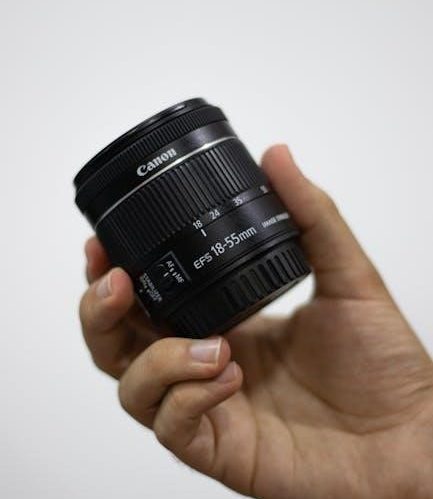
Canon FL 50mm f/1․8 Lens: A Comprehensive Manual Guide
This guide delves into the Canon FL 50mm f/1․8, a classic lens featuring TTL metering and a Canon FL mount․ It’s noted for sharpness, contrast, and vibrant colors, even with some wear․
User experiences highlight its significant improvement over kit lenses, making it a worthwhile upgrade despite the fixed focal length․ Rental options are available, like DeLight Rent․
The lens is compatible with some newer lenses and can be used with non-Canon cameras via lens controllers, like the ISSI Canon EF lens controller․
The Canon FL 50mm f/1․8 represents a pivotal point in Canon’s lens history, a prime standard lens celebrated for its optical qualities and historical significance․ This lens, often found with some cosmetic wear, offers a compelling entry point into the world of classic Canon photography․ It’s characterized by its Canon FL mount, a system that predates the more ubiquitous EF mount, yet retains compatibility with certain Canon camera bodies․
Its appeal lies in its ability to deliver sharp, high-contrast images with pleasing color rendition, even by today’s standards․ Users consistently praise its performance, noting a noticeable improvement over typical kit lenses․ The f/1․8 aperture allows for beautiful background blur (bokeh) and commendable low-light capabilities․ This lens isn’t merely a relic of the past; it’s a functional and enjoyable tool for photographers seeking a vintage aesthetic or exploring the roots of Canon’s lens technology․
Furthermore, the FL 50mm f/1․8 incorporates a TTL (Through-The-Lens) metering system, a feature advanced for its time, enabling accurate exposure readings directly through the camera․ While alternatives exist, and newer lenses boast advanced features like Nano USM autofocus, the FL 50mm f/1․8 remains a compelling option for those valuing simplicity, image quality, and a connection to photographic history․
Historical Context of the Canon FL Mount
The Canon FL mount emerged in 1964 as Canon’s first system single-lens reflex (SLR) mount, marking a significant departure from their previous rangefinder cameras․ It represented a commitment to interchangeable lenses and a more versatile photographic experience․ The “FL” designation stands for “Fluorite,” reflecting Canon’s early experimentation with fluorite lens elements, though not all FL lenses incorporated this material․
This mount predates the widely adopted Canon FD mount, which followed in 1971, offering improvements in breech-lock functionality and overall design․ While the FL mount lacks the FD’s breech-lock mechanism, it remains mechanically compatible with FD bodies, though requiring an adapter for full functionality․ The Canon FL 50mm f/1․8 was a key lens in this system, showcasing Canon’s optical capabilities during this era․
The FL mount era was relatively short-lived, overshadowed by the FD mount’s success․ However, lenses like the 50mm f/1․8 continue to be appreciated by collectors and photographers seeking a vintage aesthetic and unique rendering․ Understanding the FL mount’s place in Canon’s history provides valuable context for appreciating the evolution of their lens technology and the enduring quality of these classic lenses․
Key Features and Specifications
The Canon FL 50mm f/1․8 lens is a prime standard lens designed for Canon FL-mount cameras․ Its focal length of 50mm provides a natural perspective, closely resembling human vision, making it versatile for various photographic applications․ The maximum aperture of f/1․8 allows for shallow depth of field and excellent low-light performance․
Notably, this lens incorporates a TTL (Through-The-Lens) metering system, enabling accurate exposure readings directly through the camera’s viewfinder․ It features a multi-coated optical design to minimize flare and ghosting, enhancing image contrast and clarity․ The lens construction includes multiple elements, contributing to its overall image quality․
Specifications include a filter thread size, typically around 48mm, and a relatively lightweight build․ While lacking modern autofocus capabilities, its manual focusing mechanism is precise and smooth․ The lens exhibits characteristics like sharp image rendition, pleasing color, and a classic bokeh․ It’s a fully manual lens, requiring users to control aperture and focus settings directly․
Aperture and its Impact on Image Quality
The Canon FL 50mm f/1․8’s aperture plays a crucial role in defining image characteristics․ At its widest aperture of f/1․8, the lens excels in low-light situations, allowing for faster shutter speeds and reducing the need for high ISO settings․ This setting also creates a shallow depth of field, beautifully isolating subjects with a blurred background – a desirable effect for portraiture․
Stopping down the aperture to values like f/2․8, f/4, or beyond increases the depth of field, bringing more of the scene into focus․ This is beneficial for landscapes or group photos where sharpness throughout the frame is desired․ However, as the aperture closes, less light reaches the sensor, potentially requiring slower shutter speeds or higher ISO․
Image quality is significantly impacted by aperture choice․ Wider apertures can introduce slight softness, particularly towards the edges of the frame, but offer pleasing bokeh․ Smaller apertures generally yield sharper images across the entire frame, though diffraction can become noticeable at very small apertures like f/16 or f/22․ Careful aperture selection is key to achieving the desired aesthetic and technical quality․
Focusing Mechanics and Operation
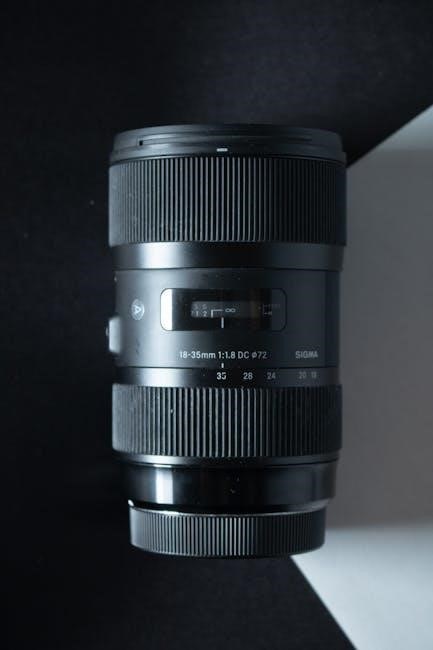
The Canon FL 50mm f/1․8 employs a manual focusing system, characteristic of lenses from its era․ Operation involves rotating the focusing ring on the lens barrel to achieve desired sharpness․ Unlike modern autofocus lenses, precise focusing relies entirely on the photographer’s skill and visual assessment through the viewfinder or focusing aids․
Focusing smoothness is generally reported as good, allowing for relatively precise adjustments․ However, achieving critical focus requires practice and attention, especially at wider apertures where the depth of field is shallow․ The lens doesn’t feature any autofocus capabilities or dedicated focus limiters․
When using with modern Canon bodies, focusing confirmation can be achieved using the camera’s focus peaking feature (if available) or by carefully observing the image on the LCD screen in live view mode․ Adapters for non-Canon cameras may also offer focusing aids․ Mastering manual focus with this lens enhances photographic technique and understanding of depth of field․
TTL Metering System Explained
The Canon FL 50mm f/1․8 incorporates Canon’s TTL (Through-The-Lens) metering system, a significant advancement for its time․ This system allows the camera to measure light directly from the scene as seen through the lens, providing more accurate exposure readings compared to earlier metering methods․
TTL operation requires a compatible Canon camera body equipped with the necessary circuitry to interpret the signals from the lens․ The lens features electrical contacts that communicate aperture information to the camera’s metering system․ This enables the camera to calculate the appropriate shutter speed for correct exposure․
However, it’s crucial to understand that the FL system’s TTL metering is not as sophisticated as modern Canon systems․ It typically operates in stop-down metering mode, meaning the aperture must be set before metering․ While effective, it requires a bit more manual interaction․ Understanding this system is key to maximizing the lens’s potential on compatible cameras․
Compatibility with Canon Camera Bodies
The Canon FL 50mm f/1․8 lens utilizes the Canon FL mount, designed for a specific range of Canon film cameras․ It’s primarily compatible with Canon FT, FP, and Pellix cameras, which were engineered to work with the FL mount’s mechanical and electrical components․
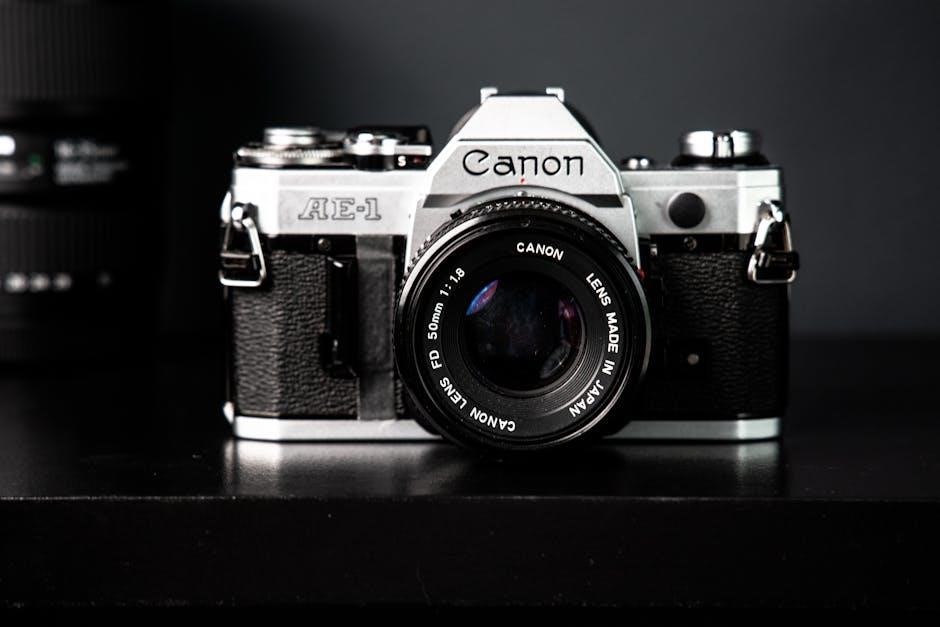
However, direct compatibility with modern Canon EOS bodies (EF or RF mount) is not possible without an adapter․ Adapters allow the FL lens to be physically mounted, but full functionality, such as autofocus and electronic aperture control, will not be available․ Metering may also be limited or require stop-down metering․
When using adapters, it’s essential to choose a high-quality adapter that ensures a secure fit and minimal light leakage․ Be aware that using an adapter may introduce some image quality degradation or vignetting․ Careful testing is recommended to assess the adapter’s performance with the FL 50mm f/1․8 lens․
Image Quality Assessment: Sharpness and Contrast
The Canon FL 50mm f/1․8 lens is frequently praised for its impressive sharpness, even when used wide open at f/1․8․ User reviews consistently highlight its ability to deliver crisp, detailed images with minimal softness, particularly in the center of the frame․ Peripheral sharpness is generally good, though some slight softening may be observed at the edges․
Contrast is another strong suit of this lens, producing images with rich, deep blacks and vibrant colors․ The lens renders scenes with a pleasing level of tonal separation, enhancing the overall visual impact․ This characteristic makes it well-suited for various photographic genres, including portraiture and street photography․
Despite its age, the FL 50mm f/1․8 maintains a competitive level of image quality compared to more modern lenses․ While it may not match the absolute sharpness of contemporary optics, its performance remains remarkably capable, offering excellent value for its price point and vintage appeal․
Color Rendition and Characteristics
The Canon FL 50mm f/1․8 exhibits a distinctive color rendition, often described as producing “dense colors” by users․ This translates to images with a noticeable saturation and richness, lending a vibrant quality to subjects․ While not overly stylized, the colors possess a certain depth and character that sets them apart․
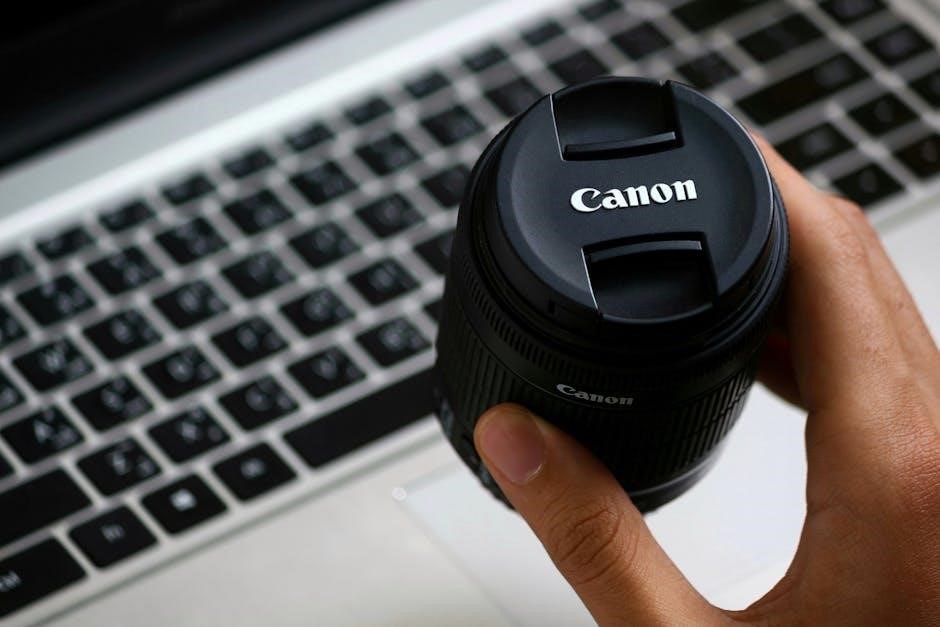
The lens’s color characteristics lean towards a slightly warm tone, which can be particularly flattering for skin tones in portrait photography․ However, this warmth is not excessive and can be easily adjusted during post-processing if desired․ The overall color balance is generally accurate, with a natural look that avoids artificial or overly processed hues․
Compared to modern lenses, the FL 50mm f/1․8 may exhibit a slightly different color profile, reflecting the optical technology of its era․ This can contribute to a unique aesthetic that some photographers find appealing, adding a vintage feel to their images․ The lens’s ability to render colors with depth and character makes it a versatile choice for various photographic styles․
Low Light Performance Capabilities
The Canon FL 50mm f/1․8 excels in low-light scenarios, largely due to its wide maximum aperture of f/1․8․ This allows a significant amount of light to reach the sensor, enabling faster shutter speeds and lower ISO settings in dimly lit environments․ This capability is frequently highlighted in user reviews, praising its performance for “low light shooters․”
The fast aperture not only improves image brightness but also contributes to a shallower depth of field, creating a pleasing background blur (bokeh)․ This is particularly advantageous for portrait photography in low light, as it helps isolate the subject and draw attention to key details․ The lens’s ability to gather light efficiently minimizes noise and maintains image clarity even in challenging conditions․
While not possessing the advanced image stabilization technologies found in modern lenses, the FL 50mm f/1․8’s inherent light-gathering ability makes it a capable performer in low light․ Photographers can leverage its fast aperture to capture sharp, well-exposed images without relying heavily on high ISO settings, preserving image quality and detail․
Comparing with Canon EF 50mm f/1․8 II
The Canon FL 50mm f/1․8 and the EF 50mm f/1․8 II are both popular 50mm prime lenses, but cater to different Canon systems․ The FL mount is older, requiring adapters for use on modern EOS bodies, while the EF version is natively compatible with Canon’s EF mount cameras․
Image quality is remarkably similar between the two, with both lenses delivering sharp images and pleasing bokeh․ However, the EF 50mm f/1․8 II benefits from modern coatings and autofocus technology, offering faster and more accurate focusing․ The FL version relies on a more manual focusing experience․
The EF lens also features a more refined build quality and a slightly different rendering style․ While the FL lens is known for its contrast and color rendition, the EF version often exhibits a smoother, more neutral look․ Ultimately, the choice depends on your camera system and preference for manual versus autofocus operation․ The EF is often considered a great deal for low-light shooting․
Advantages Over Kit Lenses
The Canon FL 50mm f/1․8 offers substantial advantages over typical kit lenses, primarily in image quality and low-light performance․ Kit lenses often compromise on aperture size, resulting in softer images and increased noise in challenging lighting conditions․ The FL 50mm f/1․8’s wider f/1․8 aperture allows for significantly more light gathering, enabling sharper photos and cleaner results in dim environments․
Furthermore, the fixed focal length encourages a more deliberate approach to photography, fostering creativity and composition skills․ Kit lenses’ zoom versatility can sometimes lead to indecisiveness․ The FL lens delivers superior sharpness and contrast, producing images with richer detail and more pleasing aesthetics․
Many users report a noticeable improvement in image quality when switching from a kit lens to the FL 50mm f/1․8, even deeming it a worthwhile upgrade to become their primary lens․ Its ability to create a shallow depth of field for beautiful background blur is another key advantage, unattainable with most kit lenses․
Potential Issues and Common Problems
While celebrated for its performance, the Canon FL 50mm f/1․8 isn’t without potential issues․ Given its age, many units available today exhibit cosmetic wear and tear, including scratches or dust accumulation which generally don’t impact image quality․ A common concern revolves around the age of the lens elements and potential for haze or fungus, particularly if stored improperly․
The FL mount, being older, may present compatibility challenges with modern Canon bodies, potentially requiring adapters․ Careful inspection of the aperture blades is crucial, ensuring smooth operation and no signs of oil contamination․ Some users have reported stiffness in the focusing ring, potentially requiring cleaning and lubrication․
It’s important to note that the TTL metering system, while functional, may not be as accurate or reliable as modern metering systems․ Finally, sourcing replacement parts can be difficult due to the lens’s discontinued status․ Thorough testing before purchase is highly recommended to identify any functional defects․
User Reviews and Experiences
Across various online forums and reviews, the Canon FL 50mm f/1․8 consistently receives positive feedback, particularly regarding its image quality for its age and price point․ Many users praise its sharpness and pleasing contrast, even wide open at f/1․8, noting a distinct character in the rendered images․ The color rendition is frequently described as rich and vibrant, contributing to a classic aesthetic․
Experienced photographers often highlight the lens’s significant improvement over typical kit lenses, justifying its adoption as a primary walk-around option despite the fixed focal length․ Several reviewers mention its excellent low-light capabilities, making it suitable for various shooting scenarios․ However, some acknowledge the focusing mechanics require a more deliberate approach compared to modern autofocus lenses․
Overall, the consensus is that the Canon FL 50mm f/1․8 offers exceptional value for money, delivering a unique photographic experience․ Users appreciate its build quality and the distinct look it imparts to images, making it a favorite among enthusiasts and collectors alike․
Rental Options and Availability
Finding a Canon FL 50mm f/1․8 can be challenging due to its vintage status, but it’s not impossible․ Availability largely depends on the used market, with online auction sites and photography equipment retailers being primary sources․ Expect to find units exhibiting varying degrees of cosmetic wear, which generally doesn’t impact performance․
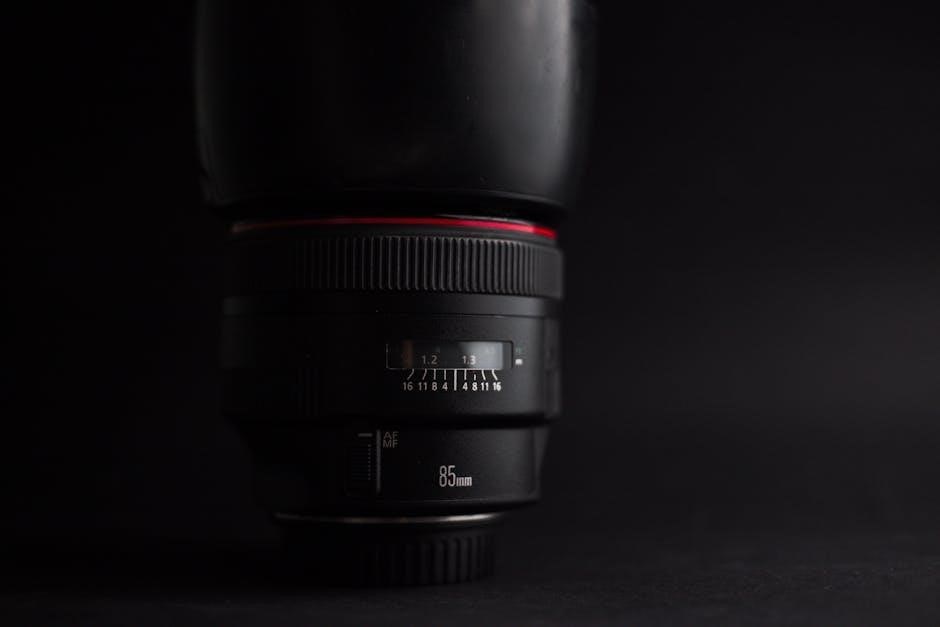
For those hesitant to purchase outright, rental options provide a viable alternative․ DeLight Rent is specifically mentioned as offering Canon 50mm f/1․8 (EF mount) rentals, though availability fluctuates․ Other specialized vintage lens rental houses may also carry it periodically․
Due to its age, prices vary considerably based on condition and included accessories․ Thorough inspection is crucial before purchase, checking for haze, fungus, or damage to the glass and focusing mechanism․ Patience and diligent searching are key to securing a well-maintained example of this classic lens․
Alternatives to the Canon FL 50mm f/1․8
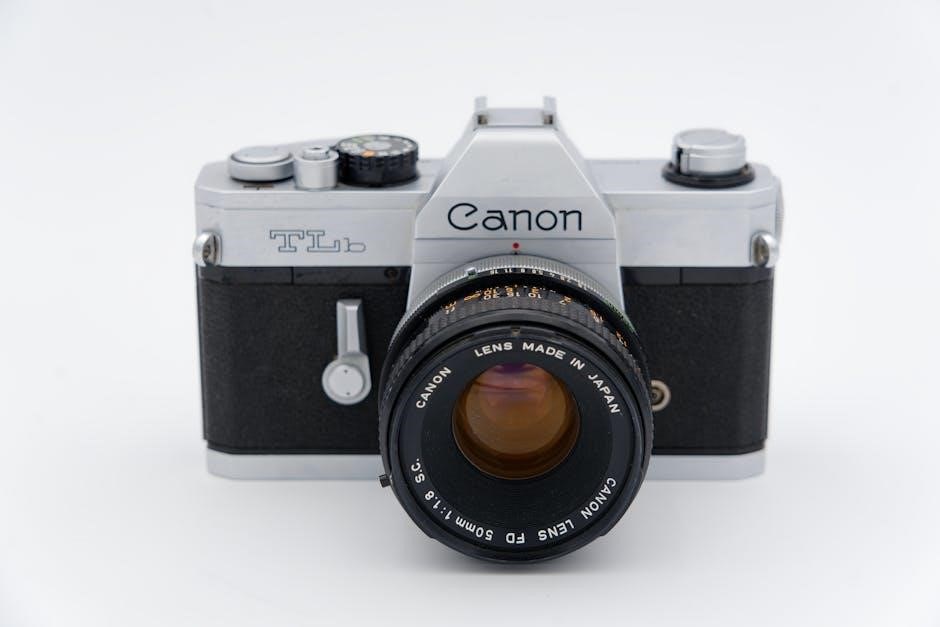
For photographers seeking similar characteristics to the Canon FL 50mm f/1․8, several alternatives exist, balancing cost and performance․ The Canon EF 50mm f/1․8 II is a frequently cited option, offering autofocus compatibility with modern Canon bodies, a significant advantage over the FL mount’s manual focus․
Considering broader compatibility, adapting other vintage lenses to Canon bodies via adapters is possible․ However, this introduces potential limitations in functionality, such as losing electronic communication with the camera․ The Canon 28-135mm lens, while a zoom, provides versatility and good image quality for a reasonable price․
If prioritizing image quality and portraiture, the Canon 85mm f/1․2, often dubbed the “Portrait King,” is a premium choice, though considerably more expensive․ Ultimately, the best alternative depends on individual needs, budget, and willingness to embrace manual focusing techniques․
Understanding Nano USM Technology (Related Canon Autofocus)
While the Canon FL 50mm f/1․8 relies on manual focus, understanding Canon’s autofocus advancements provides context․ Nano USM (Ultrasonic Motor) represents a significant leap in autofocus technology, debuting with the EOS 80D and EF-S 18-135mm f/3․5-5․6 IS USM lenses․ It’s not a new generation but a refined implementation building upon previous USM and STM motor designs․
Nano USM aims for a balance between speed and precision, offering smoother, quieter operation compared to older systems․ It achieves this through a smaller, more precise motor unit․ This technology isn’t directly applicable to the FL lens due to its mechanical design, but it illustrates Canon’s ongoing commitment to autofocus innovation․
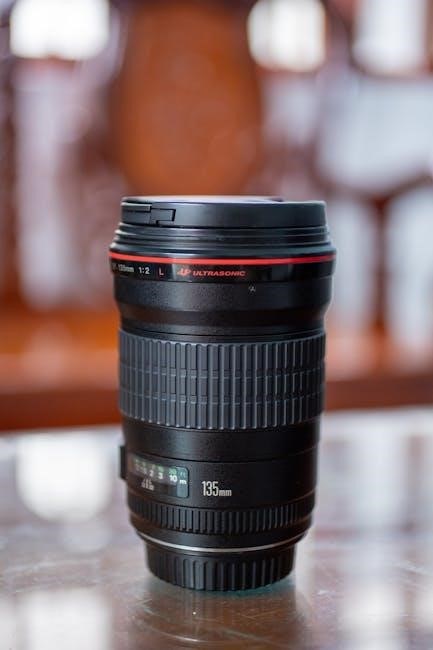
Furthermore, Canon introduced an autofocus start button on some models like the EOS-1D Mark III, enhancing control over focusing․ These advancements highlight the evolution of Canon’s autofocus systems, contrasting with the manual operation of the classic FL 50mm f/1․8․
The “Portrait King” ─ 85mm f/1․2 Comparison
Within photography circles, the Canon 85mm f/1․2 lens is often hailed as the “Portrait King,” renowned for its exceptional bokeh and ability to isolate subjects․ Comparing this to the Canon FL 50mm f/1․8 highlights their distinct characteristics and intended uses․ The 85mm f/1․2, a premium lens, commands a significantly higher price point and offers a shallower depth of field, ideal for flattering portraits with blurred backgrounds․
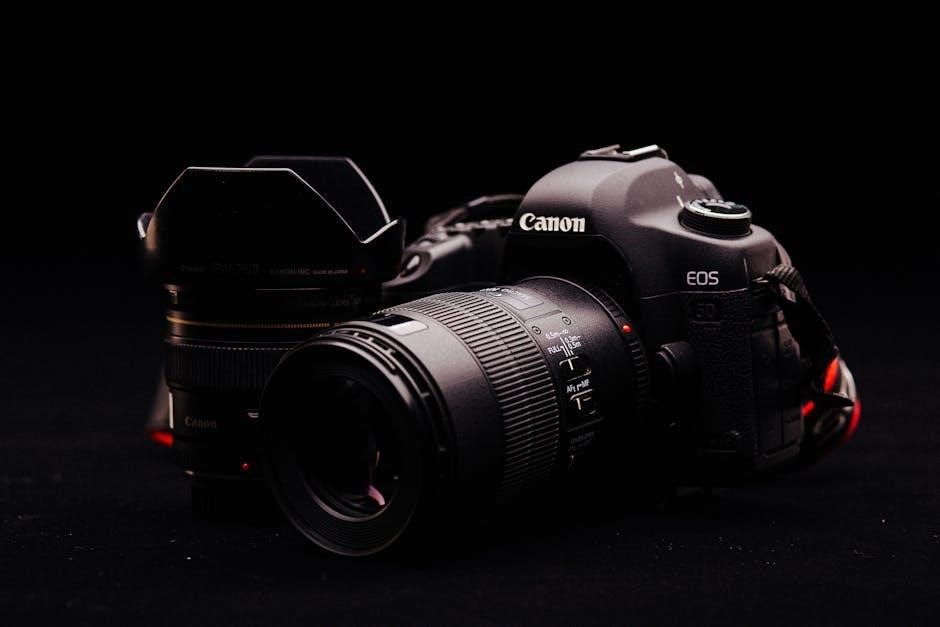
The FL 50mm f/1․8, while capable of pleasing results, doesn’t possess the same level of background separation․ Its wider field of view makes it more versatile for general photography, but less specialized for portraiture․ Experienced photographers appreciate the 85mm f/1․2 for its optical quality and the artistic control it provides․
However, the FL 50mm f/1․8 offers a unique charm and character, particularly when considering its vintage nature and manual focus operation․ It’s a different approach to portraiture, demanding more deliberate technique and creative vision․
Using with Non-Canon Cameras (Lens Controllers)
Adapting the Canon FL 50mm f/1․8 for use with non-Canon camera systems necessitates the employment of lens controllers․ These devices bridge the communication gap, enabling autofocus and aperture control on bodies lacking native Canon FL mount compatibility․ The ISSI Canon EF lens controller stands out as a viable solution, specifically designed for Canon EF, EF-S, and L series lenses, including those with IS (Image Stabilization)․
This controller facilitates operation on cameras from various manufacturers, utilizing an Ethernet connection for seamless integration․ It’s particularly useful for photographers seeking to leverage the FL 50mm f/1․8’s optical qualities within a diverse multi-brand setup․ However, it’s crucial to understand that functionality may vary depending on the specific camera model and controller firmware․
While manual focus remains a reliable option, a lens controller unlocks the convenience of autofocus, enhancing the shooting experience and expanding the lens’s usability beyond the Canon ecosystem․
Canon Autofocus Start Button Functionality
The autofocus start button, a relatively recent addition to Canon’s camera technology, represents a shift in autofocus operation․ Initially introduced with the EOS-1D Mark III, this feature is currently available on a limited number of Canon camera models․ It allows users to decouple the autofocus activation from the shutter button, providing greater control over focusing and shooting․
With compatible cameras, the autofocus start button enables photographers to pre-focus on a subject and then recompose the shot without re-engaging the autofocus․ This is particularly beneficial in situations where precise focus is critical, and maintaining it during recomposition is essential․ It streamlines the workflow for specific shooting scenarios․
However, it’s important to note that the Canon FL 50mm f/1․8 lens, being an older design, doesn’t inherently support this functionality․ The autofocus start button’s operation is dependent on both the lens and the camera body’s capabilities․
Color Adjustment and Sharpness Considerations
The Canon FL 50mm f/1․8, while known for its pleasing color rendition and sharpness, often benefits from post-processing adjustments to fully realize its potential․ User feedback suggests that the lens delivers dense, vibrant colors, but individual preferences may necessitate fine-tuning during editing․
Regarding sharpness, the lens is generally considered sharp even at its maximum aperture․ However, achieving optimal sharpness often involves careful attention to focusing accuracy and utilizing a stable shooting platform․ Micro-adjustments in post-processing, such as applying unsharp masking or sharpening filters, can further enhance detail․
Digital Photo Professional (DPP), Canon’s image editing software, provides a comprehensive suite of tools for color and sharpness adjustments․ Photographers can utilize DPP to correct any color casts, refine contrast, and optimize sharpness levels to suit their artistic vision․ The lens’s inherent qualities serve as a strong foundation for creative expression․
The Cheapest EF Lens: Value for Money
The Canon FL 50mm f/1․8, despite being an older design, represents exceptional value for money, particularly when considering its optical performance․ Often referred to as one of Canon’s most affordable EF lenses, it provides a significant upgrade over typical kit lenses, justifying its purchase even as a dedicated prime․
Its affordability doesn’t equate to compromised quality․ Users consistently report a noticeable improvement in image sharpness, contrast, and overall image quality compared to standard zoom lenses included with many Canon camera bodies․ This makes it an ideal entry point for photographers seeking to explore prime lens photography․
The lens’s simple optical design and robust construction contribute to its durability and reliability․ While it may exhibit some cosmetic wear due to its age, its optical elements remain capable of delivering stunning results․ For photographers on a budget, the Canon FL 50mm f/1․8 offers an unparalleled combination of performance and affordability․
Woodpear Village and Lens Photography (Contextual Reference)
While seemingly unrelated, the mention of Woodpear Village – a high-altitude, historic village in China – subtly highlights the lens’s potential for capturing detailed landscapes and architectural scenes․ The village, built in 1587, demands a lens capable of resolving fine textures and preserving color accuracy, qualities the Canon FL 50mm f/1․8 delivers․
The lens’s ability to produce sharp, contrasted images, even in challenging lighting conditions, would be invaluable when documenting such a location․ The vibrant colors rendered by the lens would faithfully represent the village’s unique aesthetic, showcasing its historical charm․
Considering the lens’s affordability, it allows photographers to invest more in travel and exploration, like visiting places such as Woodpear Village, rather than solely focusing on expensive equipment․ It’s a practical tool for documenting journeys and preserving memories with high-quality imagery, proving its value extends beyond technical specifications․
Environmental Concerns Regarding Lens Materials
Recent discussions surrounding lens manufacturing highlight growing environmental concerns, specifically regarding the use of lead in optical glass․ Reports suggest the discontinuation of the Canon 200/1․8L lens may be linked to this issue, as environmental regulations increasingly scrutinize such materials․
While the Canon FL 50mm f/1․8’s specific composition isn’t detailed in available information, this broader trend raises questions about the materials used in vintage lenses․ Responsible disposal and recycling of older lenses become crucial to mitigate potential environmental impact․
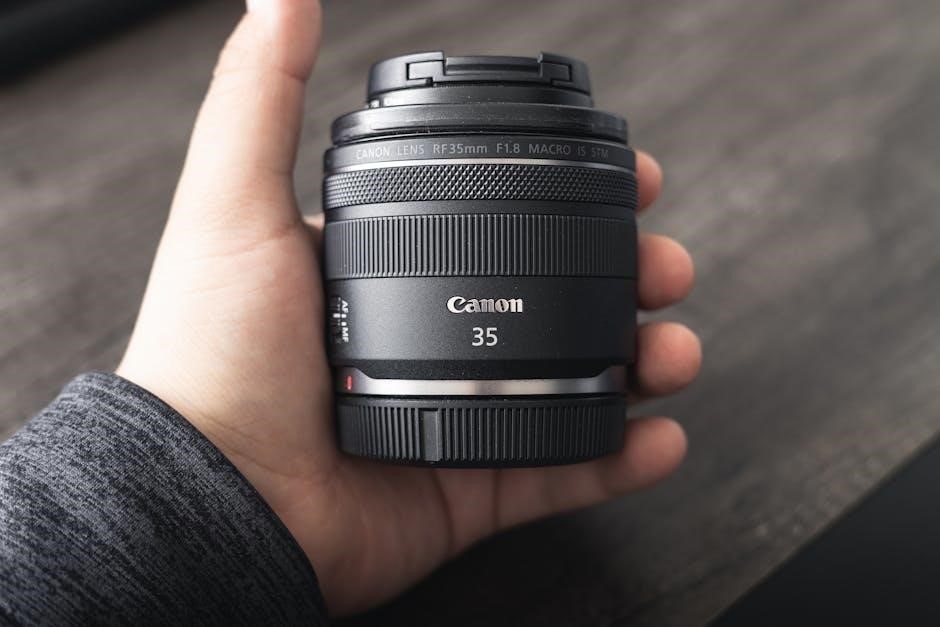
Consumers are becoming more aware of the ecological footprint of their purchases, prompting manufacturers to explore alternative, eco-friendly materials․ This shift towards sustainability may influence future lens designs and production processes, potentially impacting the longevity and availability of classic lenses like the FL 50mm f/1․8;
Ultimately, understanding these concerns encourages mindful lens ownership and responsible practices․